KYOTO
Increase Income & Employment
In 2014, 55.64 million tourists as well as 1.83 million foreigners visited Kyoto, bringing the city ¥762.6 billion and can see it increased 8.9% compare to 2013.
Shortage of
High-class Accommodations
With increasing number of tourists and Kyoto targets luxury travellers from western countries, the supply of luxury hotels are not enough.
Damage to Historical Buildings
Improvement of Infrastructure
-
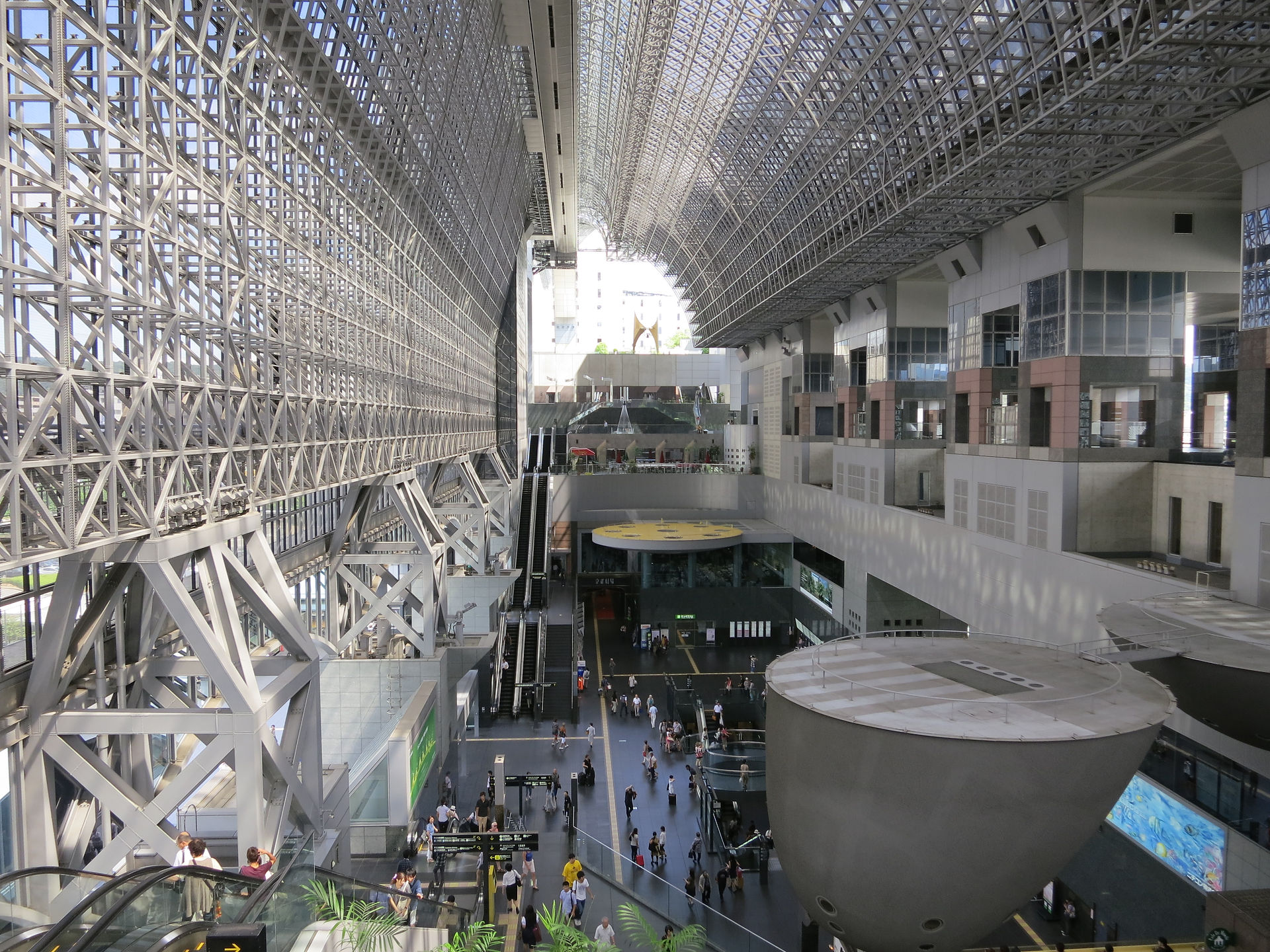
Redevelopment of Kyoto Station South Exit Station Square: user-friendly connection of public transportation and to expand pedestrian space in 2014. This construction will be finished around December, 2016.
-
Widening Construction Work of Sidewalk on Shijo Street: a part of the project switches Kyoto from a car-centric society to a walking city, which prioritizes people and public transportation.
-
Development of hotel projects: vacant machiya (traditional wooden townhouse) being used as unique accommodations or restaurants.
Improvement of Service Standards
-
Omotenashi spirit (hospitality of Kyoto people)
-
Translation services: a 24-hour multilingual call center with English, Chinese, Korean, Spanish, and Portuguese launched in 2012.
-
Arukumachi KYOTO App: routes, timetables and fares for city buses and rail services in Kyoto City.
-
Voice Tra 4U App: helps multiple users (up to 5) to communicate in different languages, in real time either face to face or remotely.
-
13 different languages on its website.
-
It is harder to maintain the buildings with large volume of visitors.
-
Tourists litter cigarette butts cause fire.
Culture Conflicts
-
Tourists of misbehaviours, ignoring the rules, and outbreak of dirty toilets.
-
Different customs and lifestyles:
- taking photos of geisha, maiko (apprentice geisha)/ shrines and temples without permissions.
- tipping.
- opening taxi doors by yourself.
- smoking outdoors in non-designated areas
Unstable Employment
Many workers are not full-time employees in tourism industry.
Education
Special programs implement at elementary and junior high schools to teach students about common Japanese traditions. For example, tea ceremony, flower arranging, kimono dressing, and explanation of these traditions in English.
Promotion of The City
-
Expansion of overseas information centres: from 3 in 2006 to 10 in 2014, including new ones in Hong Kong and Dubai.
-
Campaign during off season: ''Kyoto's summer and winter trips''
-
2020 Tokyo Olympics: attract more tourists when Tokyo host Olympics in 2020.